Osteoporosis is a disease of progressive bone loss associated with an increased risk of fractures.
Bone is a living tissue, comprising mainly calcium and protein. Healthy bone is always being remodeled; that is, small amounts are being absorbed in your body and small amounts are being replaced.
If more bone calcium is absorbed than is replaced, the density or the mass of the bone is reduced. The bone becomes progressively weaker, increasing the risk that it may break. Osteoporosis means "porous bone." This condition develops when bone is no longer replaced as quickly as it is removed.
The disease often develops unnoticed over many years, with no symptoms or discomfort until a fracture occurs. Osteoporosis often causes a loss of height and dowager's hump (a severely rounded upper back).
Causes of osteoporosis
Aging
Physical inactivity
Reduced levels of estrogen
Heredity
Excessive cortisone or thyroid hormone
Smoking
Excessive alcohol intake
Nutrition and Lifestyle
Poor nutrition, including a low calcium diet, low body weight, and a sedentary lifestyle .
Medications and Other Illnesses
Osteoporosis has been linked to the use of some medications, including steroids, and to other illnesses, including some thyroid problems.
Female Athlete Triad:
Problems Caused by Extreme Exercise and Dieting
Sports and exercise are healthy activities for girls and women of all ages. Occasionally, a female athlete who focuses on being thin or lightweight may eat too little or exercise too much. Doing this can cause long-term damage to health, or even death. It can also hurt athletic performance or make it necessary to limit or stop exercise.
Three interrelated illnesses may develop when a girl or young woman goes to extremes in dieting or exercise. Together, these conditions are known as the "female athlete triad.
- The loss of bone tends to occur most in the spine, lower forearm above the wrist, and upper femur or thigh-the site of hip fractures. Spine fractures, wrist fractures, and hip fractures are common injuries in older persons.
A gradual loss of bone mass, generally beginning about age 35, is a fact of life for everyone. After growth is complete, women ultimately lose 30% to 50% of their bone density, and men lose 20% to 30%.
Women lose bone calcium at an accelerated pace once they go through menopause. Menstrual periods cease because a woman's body produces less estrogen hormone
- Clinical examination will assist in confirming diagnosis
Treatment
Early treatment for osteoporosis is the most effective way to reduce bone loss and prevent fractures.
To prevent osteoporosis, slow its progression, and protect yourself from fractures you should include adequate amounts of calcium and Vitamin D in your diet and exercise regularly.
Calcium
- During the growing years, your body needs calcium to build strong bones and to create a supply of calcium reserves. Building bone mass when you are young is a good investment for your future. Inadequate calcium during growth can contribute to the development of osteoporosis later in life.
- Whatever your age or health status, you need calcium to keep your bones healthy. Calcium continues to be an essential nutrient after growth because the body loses calcium every day
Although calcium cannot prevent gradual bone loss after menopause, it continues to play an essential role in maintaining bone quality. Even if women have gone through menopause or already have osteoporosis, increasing intake of calcium and Vitamin D can decrease the risk of fracture.
- You can get calcium from dairy foods such as milk, cheese, and yogurt. Calcium is also naturally found in plant foods including broccoli, kale, and Chinese cabbage. Some foods have added calcium, like orange juice and breakfast cereals.
Most adults can get the recommended 1000 mgs over the course of a day by eating a packet of fortified oatmeal, a cup of calcium-fortified orange juice, a cup of yogurt and half a cup of cooked spinach.
Dairy products, including yogurt and cheese, are excellent sources of calcium.
Vitamin D helps your body absorb calcium. The recommendation for Vitamin D is 200-600 IU (international units) daily. Supplemented dairy products are an excellent source of Vitamin D. (A cup of milk contains 100 IU of Vitamin D
Many foods have vitamin D, including:
Salmon, tuna, sardines, mackerel, and shrimp
Egg yolks
Beef liver
Mushrooms
Cod and fish liver oils
Foods with added vitamin D, such as milk and some cereals, yogurt, and orange juices
The average adult would get more than a day’s recommended vitamin D by eating just one small can of pink salmon.
Another source of vitamin D is the sun. Your body makes vitamin D from sunlight. But you need to wear
sunscreen to protect your
skin, and that blocks your body from making vitamin D. Also, it can be hard to make enough vitamin D from the winter sun, depending on where you live.
- Some foods make it harder for the body to absorb calcium. In particular, sodas and carbonated beverages should be avoided, not just for bone health but for many nutritional reasons, including preventing obesity. Sodas decrease calcium absorption in the intestines and contain empty calories. Milk, calcium-fortified juices, and water are better beverage alternatives for all age groups.
Vitamin supplements can be taken if your diet does not contain enough of this nutrient. Again, consult with your doctor before taking a vitamin supplement. Too much Vitamin D can be toxic.
Because lost bone cannot be replaced, treatment for osteoporosis focuses on the prevention of further bone loss
- Although exercise and nutrition therapy are often key components of a treatment plan for osteoporosis, If you're not getting all the vitamin D and calcium you need from food there are other treatments as well.
Estrogen Replacement Therapy
Estrogen replacement therapy (ERT) is often recommended for women at high risk for osteoporosis to prevent bone loss and reduce fracture risk. A measurement of bone density when menopause begins may help you decide whether ERT is right for you. Hormones also prevent heart disease, improve cognitive functioning, and improve urinary function. ERT is not without some risk, including enhanced risk of breast cancer; the risks and benefits of ERT should be discussed with your doctor.
Selective Estrogen Receptor Modulators
New anti-estrogen's known as SERM (selective estrogen receptor modulators) can increase bone mass, decrease the risk of spine fractures, and lower the risk of breast cancer.
Calcitonin
Calcitonin is another medication used to decrease bone loss. A nasal spray form of this medication increases bone mass, limits spine fractures, and may offer some pain relief.
Bisphosphonates
Bisphosphonates, including alendronate, markedly increase bone mass and prevent both spine and hip fractures.
ERT, SERMs, calcitonin, and bisphosphonates all offer patient with osteoporosis an opportunity to not only increase bone mass, but also to significantly reduce fracture risk. Prevention is preferable to waiting until treatment is necessary.
Physical therapy:
Joint/bone protection strategies
Maintain /improve joint mechanics and connective tissue functions
Implementation of aerobic capacity/endurance conditioning or reconditioning,such as aquatic programs
Safe Exercise
When people begin a new exercise program, they often push their bodies too far and put themselves at risk for injury. The common notion that exercise must be really hard or painful to be beneficial is simply wrong. Moderation is the key to safe exercise. Safe exercise programs start slowly and gradually build up in intensity, frequency, and duration.
In addition, if you have an existing health problem, such as high blood pressure, diabetes, a history of heart disease, or are a smoker, you should contact your doctor before beginning any vigorous physical activity
Safe Exercise Guidelines
Use Proper Equipment
Warm Up. Warm up to prepare to exercise, even before stretching. Run in place for a few minutes, breathe slowly and deeply, or gently rehearse the motions of the exercise to follow. Warming up increases your heart and blood flow rates and loosens up other muscles, tendons, ligaments, and joints.
Stretch. Begin stretches slowly and carefully until reaching a point of muscle tension. Hold each stretch for 10 to 20 seconds, then slowly and carefully release it. Inhale before each stretch and exhale as you release. Do each stretch only once. Never stretch to the point of pain, always maintain control, and never bounce on a muscle that is fully stretched.
Take Your Time. During strength training, move through the full range of motion with each repetition. Breathe regularly to help lower your blood pressure and increase blood supply to the brain.
Drink Water. Drink enough water to prevent dehydration, heat exhaustion, and heat stroke. Drink 1 pint of water 15 minutes before you start exercising and another pint after you cool down. Have a drink of water every 20 minutes or so while you exercise.
Cool Down. Make cooling down the final phase of your exercise routine. It should take twice as long as your warm up. Slow your motions and lessen the intensity of your movements for at least 10 minutes before you stop completely. This phase of a safe exercise program should conclude when your skin is dry and you have cooled down.
Rest. Schedule regular days off from exercise and rest when tired. Fatigue and pain are good reasons to not exercise.
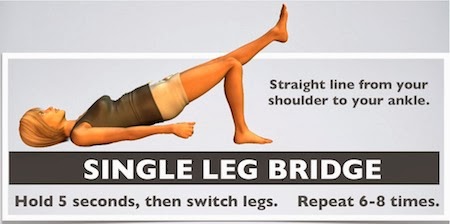
Like muscles, bones need exercise to stay strong. No matter what your age, exercise can help minimize bone loss while providing many additional health benefits.
Doctors believe that a program of moderate, regular exercise (3 to 4 times a week) is effective for the prevention and management of osteoporosis. Weight-bearing exercises such as walking, jogging, hiking, climbing stairs, dancing, treadmill exercises, and weight lifting are probably best
Loss of height and a stooped appearance of a person with osteoporosis results from partial collapse of weakened vertebrae.
Lifestyle Choices To Prevent Falls
Maintaining your health and staying physically active can help to reduce your risk for falling.
Understand Your Health and Medications
Get an annual eye examination, and a physical that includes an evaluation for cardiac and blood pressure problems.
Maintain a diet with adequate dietary calcium and Vitamin D.
Do not smoke.
Avoid excessive alcohol intake.
Keep an up-to-date list of all medications and frequently provide it to all doctors with whom you consult.
Check with your doctor(s) about any side effects of your medications and over-the-counter drugs, as fatigue or confusion increases your risk of falling.
Make sure all medications are clearly labeled and stored in a well-lit area.
Take medications on schedule with a full glass of water, unless otherwise instructed.
Exercise
Talk to your doctor about starting an exercise program.
If possible, participate in an exercise program that aids agility, strength, balance, and coordination. Climbing stairs, jogging, hiking, dancing, weight training and other activities can help build bone strength and slow progression of osteoporosis, a disorder that causes bones to thin and weaken.
In addition, active pastimes, such as bicycling and gardening, also can improve health and life quality.
Footwear
Wear properly-fitting shoes with non skid soles. Avoid high heels.
Tie your shoe laces.
Use a long-handled shoehorn if you have trouble putting on your shoes.
Never walk in your stocking feet. Replace slippers that have stretched out of shape and are too loose.
Home Modifications To Prevent Falls
Research shows that even simple safety modifications, such as those at home where most senior falls occur, can substantially cut the risk of falls and related injuries.
Bedroom
Place a lamp, telephone, or flashlight near your bed.
Sleep on a bed that is easy to get into and out of.
Replace satiny sheets and comforters with products made of non a slippery material such as wool or cotton.
Arrange clothes in your closet so that they are easy to reach.
Install a nightlight along the route between your bedroom
Keep clutter off the bedroom floor.
Living Areas
Arrange furniture so you have a clear pathway between rooms.
Keep low-rise coffee tables, magazine racks, footrests, and plants out of the path of traffic.
Install easy-access light switches at room entrances so you will not have to walk into a dark room in order to turn on the light. Glow-in-the-dark switches also may be helpful.
Walk only in well-lighted rooms, stairs, and halls.
Do not store boxes near doorways or in hallways.
Remove newspapers and all clutter from pathways.
Keep electric, appliance and telephone cords out of walkways, but do not put cords under a rug.
Do not run extension cords across pathways; rearrange furniture.
Secure loose area rugs with double-faced tape, tacks, or slip-resistant backing.
Do not sit in a chair or on a sofa that is so low that it is difficult to stand up.
Repair loose wooden floorboards right away.
Remove door sills higher than a half inch.
Kitchen
Remove throw rugs.
Clean up immediately any liquids, grease, or food spilled on the floor.
Store food, dishes, and cooking equipment within easy reach.
Do not stand on chairs or boxes to reach upper cabinets.
Use nonskid floor wax.
Stairs
Keep stairs clear of packages, boxes, or clutter
Light switches should be at the top and bottom of the stairs. Or, consider installing motion-detector lights which turn on automatically when someone walks by.
Provide enough light to clearly see each stair and the top and bottom landings.
Keep flashlights nearby in case of a power outage.
Remove loose area rugs from the bottom or top of the stairs.
Replace patterned, dark, or deep-pile carpeting with a solid color, which will show the edges of steps more clearly.
Put non-slip treads on each bare-wood step.
Install handrails on both sides of the stairway. Each should be 30 inches above the stairs and extend the full length of the stairs.
Repair loose stairway carpeting or wooden boards immediately.
Bathroom
Place a slip-resistant rug adjacent to the bathtub for safe exit and entry.
Mount a liquid soap dispenser on the bathtub/shower wall.
Install grab bars on the bathroom walls.
Keep a nightlight in the bathroom.
Use a rubber mat or place nonskid adhesive textured strips inside the tub.
Replace glass shower enclosures with non-shattering material.
Stabilize yourself on the toilet by using either raised seat or a special toilet seat with armrests.
Use a sturdy, plastic seat in the bathtub if you cannot lower yourself to the floor of the tub or if you are unsteady.
What to Do If You Fall
Do not panic. Assess the situation and determine if you are hurt.
Slide or crawl along the floor to the nearest couch or chair and try to get up.
If you cannot get up, call for help.
Disclaimer: This information might have been copied from various sources to give better accesibility.